|
Lori Lovato MA, Audiologist
When You Can Hear but Not Understand: Understanding High-Frequency Hearing Loss
Hearing is not an all-or-nothing sense; it occurs across a spectrum of frequencies, each responsible for carrying different elements of speech and sound. When certain frequencies fade, you experience the world differently, even if your overall hearing seems “fine.”
You may find yourself nodding along in conversation, straining to catch every word, and feeling as though the world is speaking in muffled tones.
The television volume is high enough, but the dialogue still seems unclear. Friends and family might seem to “mumble,” and you may feel frustrated that you can hear sounds but can’t quite grasp what’s being said.
This is called high-frequency hearing loss; it’s not simply a sign of fatigue, distraction, or getting older. By understanding what’s going on with your hearing, you can take proactive steps to alleviate symptoms and get the relief you deserve.
The Mechanics of High-Frequency Sound and Speech
You might wonder why you struggle to understand certain voices more than others. The answer lies in the mechanics of speech and how your ears process sound.
High-frequency sounds, such as the consonants “s,” “f,” “th,” “sh,” and “t,” carry the definition and meaning of words. These sounds are essential for distinguishing between similar words and for understanding speech in noisy environments.
You may notice that the voices of women and children are often the first to become difficult to decipher; that’s because their vocal ranges tend to reside in the high-frequency zone, which is most vulnerable to hearing loss. In contrast, men’s voices and vowel sounds typically occupy lower frequencies, which you likely hear well.
While vowels provide the “volume” of speech, consonants provide the “clarity.” When high-frequency hearing is diminished, you may hear speech as a series of blurred sounds, missing the crisp edges that make words distinct.
The Impact of High-Frequency Loss on Your Daily Life
You may find that environments with background noise, like restaurants, social gatherings, or busy streets, have become especially challenging.
The reason is that low-frequency sounds, such as the hum of conversation or the clatter of dishes, can mask the high-frequency cues that carry speech clarity. Straining to listen amidst background noise can get tiring and stressful, leading to increased cognitive load and fatigue.
Your brain is working overtime to “fill in the blanks” of every missed syllable, piecing together meaning from incomplete information. Over time, this cognitive load can lead to frustration, social withdrawal, and even anxiety about group conversations.
You benefit from hearing care that helps filter out distracting background noise, making it easier for you to focus on the important, high-frequency elements of speech.
Social connection is vital to your well-being, and addressing high-frequency hearing loss with the help of expert hearing care can help restore your confidence and enjoyment in everyday interactions.
Why You Benefit from a Professional Hearing Assessment
You benefit from a comprehensive hearing assessment that creates a precise map of your hearing ability across all frequencies, allowing for targeted treatment that best fits your unique hearing needs.
Professional care does not simply “turn up the volume” on everything, which can be overwhelming and even uncomfortable. Instead, you benefit from advanced hearing technology that selectively amplifies only the frequencies you lack.
A tailored approach restores clarity without making background noise unbearable. You also gain long-term cognitive benefits by keeping the speech-processing centers of your brain active and engaged.
Untreated high-frequency hearing challenges can accelerate cognitive decline, but with proper intervention, you preserve both your hearing and your brain health.
Taking Control of Your Auditory Health
You are in the driver’s seat of your health journey. By seeking answers and pursuing a professional evaluation, you take an active role in preserving your hearing and your quality of life.
You benefit from the knowledge and experience of our expert team that understands the nuance of your hearing profile and can customize a solution that matches your unique lifestyle.
Whether you are active in the community, enjoy family gatherings, or simply want to hear your grandchildren’s laughter, you deserve a solution that restores your connection to the world.
With modern, professionally fitted hearing technology, you can reclaim the ability to hear those “fading” voices with ease and confidence. You deserve to experience the full spectrum of sound, without compromise.
Your Hearing Deserves Precision
When everyone around you is “mumbling,” it’s often a biological signal that your high-frequency hearing needs attention. You benefit from recognizing this early and seeking a precise diagnosis.
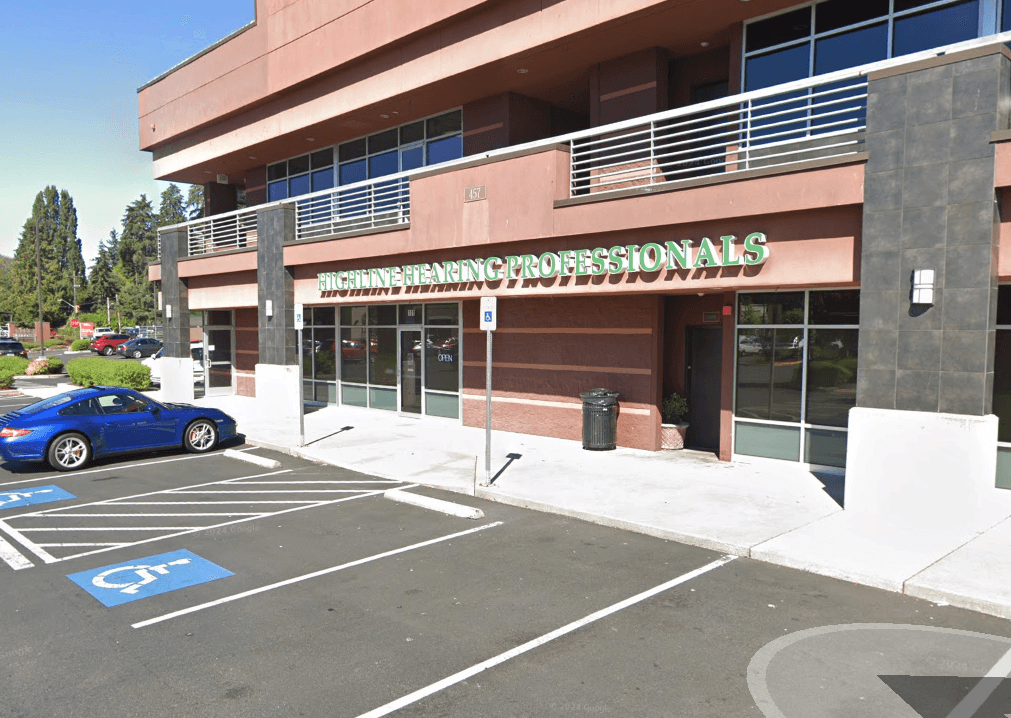
Get in touch with our team at Highline Hearing to get the clarity and support you need. You deserve an answer that restores your connection to loved ones and your environment!
FAQ: High-Frequency Hearing Loss
Q: Why can I hear some people clearly but not others, even in the same room?
A: High-frequency hearing loss affects your ability to detect higher pitches, where certain voices naturally reside. While you may still hear the “volume” of their speech, you miss out on the consonants and subtle cues that make words distinct, leading to difficulty understanding certain speakers.
Q: Will using hearing aids make everything louder, including background noise?
A: No. Modern hearing technology is designed to selectively amplify only the frequencies you are missing, not simply make everything louder. A professional fitting ensures that your devices boost the high-frequency sounds critical for speech clarity, while advanced features help minimize distracting background noise.
Q: Is high-frequency hearing loss reversible, or will it get worse over time?
A: High-frequency hearing loss is usually permanent, but you benefit from early intervention. By addressing your challenges with a professional evaluation and tailored solutions, you can slow further deterioration and preserve both your hearing and brain health. Early action leads to better outcomes and helps you stay connected to the sounds and people you love.
Source
Healthy Hearing: High-frequency hearing loss can affect your brain health and social connections, not just your ears. Find out more here!
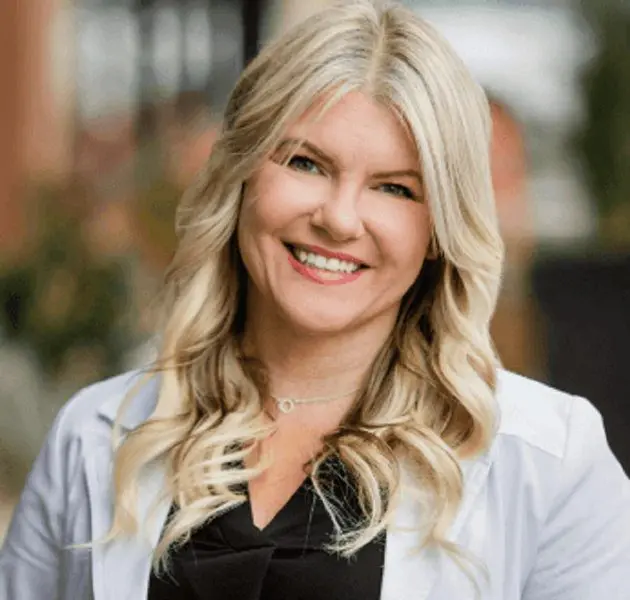
Lori Lovato MA, Audiologist
Lori is a lifelong resident of the Tri-Cities. She and her husband Anthony are proud to be raising their family here. She attended Washington State University where she received a bachelor’s degree in speech and hearing sciences and her master’s degree in audiology. Lori began practicing audiology in the Tri-Cities in 1993. During this time, she has worked in a variety of clinical settings, including private practice and ear, nose, and throat physicians’ offices. She has spent her career focused on assisting those with hearing difficulties through the use of hearing aids, listening strategies, assistive devices, and counseling. She is experienced in working with both adult and pediatric patients. It is important to Lori to develop close relationships with each and every patient, as she helps them develop better communication strategies to live a fuller life.
Search
Concerned About Your Hearing?
Please feel free to request a callback and we’ll get in touch with you as soon as we can to help. Alternatively, you can call us directly at (206) 246-8677 for a more immediate conversation.
Popular Blogs